- The European Union has dropped its controversial ban on gas cars, which was supposed to come into effect in 2035.
- Automakers now need to cut their fleet emissions by 90% in 2035 compared to 2021 levels, not 100%.
- This leaves the door open for conventional combustion vehicles, mild hybrids, full hybrids, and plug-in hybrids. E-fuels and biofuels are also a big part of the discussion.
Proposed by the European Union (EU). Ban gas carswhich was scheduled to enter into force in 2035, is not on the table. Instead, a slightly toned down version was announced yesterday European Commissionthe European Union’s main executive body, along with a pledge to provide nearly $1.8 billion (1.5 billion euros) in interest-free loans to boost battery cells made in the EU.
Under the new rules, carmakers selling new passenger cars in the EU will have to commit to a 90% reduction in tailpipe emissions compared to 2021 levels, while the original proposal imposed a 100% reduction, effectively banning combustion-powered cars.

Volvo EX30 production in Belgium
Photo by: Volvo
The remaining 10% of emissions will have to be offset by using low-carbon steel made in the EU in the vehicle construction process or by using sustainable fuels such as e-fuels and biofuels.
At first glance, this is a major concession made by the EU executive after intense lobbying from carmakers, but in reality, companies will still have to put in a lot of effort to sell as many zero-emission vehicles as possible a decade from now.
In practice, this means that the company likes it Volkswagenwhich was Average CO2 emissions are 118.5 g/km in 2021 Over the entire passenger fleet, it will have to reduce this figure to just 11.85 grams of CO2 per kilometer in 2035. It is impossible to achieve this by selling only petrol and diesel cars, so hybrids, plug-in hybrids, extended range electric vehicles (EREVs) and battery electric vehicles (BEVs) will have to play a major role in the coming years.
However, it should be noted that these emissions figures are based on the well-known WLTP standard To produce skewed results, especially when it comes to plug-in hybrid electric vehicles (PHEV).. Discussion about modifying the testing procedure to include more realistic calculations began a few months ago, but no changes have been made yet.
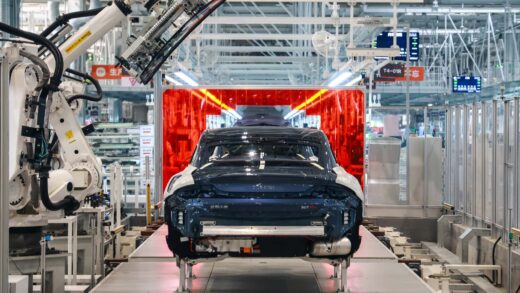
The European Commission said member states would only be able to access public funds for zero and low emission vehicles if they are made in the EU. But Chinese companies like Xpeng already manufacture vehicles in the EU.
Photo by: Xping
Some critics have argued that relaxing the 2035 emissions ban would open the door to Chinese-made hybrids and plug-in hybrids. In fact, Chinese automakers already have a foothold in the EU, offering both electric cars and plug-in hybrid electric vehicles (PHEV). Some companies like Exping and GACThey’re even assembling vehicles in the EU, and there’s more to come.
But there is good news. To help ease the transition to a cleaner car industry, the European Commission also announced a $2.1 billion (€1.8 billion) Battery Booster strategy aimed at helping create a battery value chain in the EU, with $1.8 billion (€1.5 billion) earmarked for interest-free loans to battery-making facilities.
Furthermore, the Commission said it would cut red tape, allowing carmakers to access EU-level incentives more easily. A new category for affordable small cars has also been created, covering electric cars less than 165 inches (4.2 meters) in length. According to the EU’s executive arm, this new category will allow Member States and local authorities to develop targeted incentives, which would boost demand for small electric vehicles made exclusively in the EU.
When it comes to small trucks, the 2030 CO2 reduction target has been lowered from 50% to 40%. However, EU member states will need to ensure that a specified share of new company cars and vans registered in their territories are zero or low emissions starting in 2030. Mandatory national targets will need to be imposed, but national authorities will have full flexibility to choose the best way to achieve the targets. To benefit from EU funds, vehicles must be manufactured in the EU.