Peugeot unveiled the updated version of its Peugeot 408 crossover during the Brussels Motor Show currently being held in the Belgian capital.

The most prominent updates of the Peugeot 408
The Peugeot 408 comes with the same options of traditional hybrid, plug-in hybrid and fully electric systems, with an updated, more sporty and luxurious design that includes a new front fascia, updated wheels and a development in the instrument screen, while the E-408 electric version got a set of additional features, most notably the battery pre-conditioning system.

Peugeot 408 from the outside
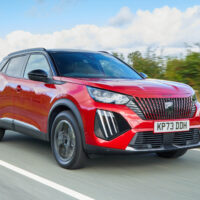
The most notable thing that draws attention is the new front end, where the car has split headlights with an upper part that includes what can be described as 3 luminous claws that act as daytime running lights and animated turn signals.
As for the main lights, they are integrated into the lower section, within glossy black inlays, giving the facade a cleaner and sharper appearance.
The front grille also received a more expressive design with an illuminated logo in higher categories, and the radar sensor is hidden behind it in a smart way.
The front bumper has also been redesigned with a new central air intake that uses horizontal lines instead of the previous mesh pattern.
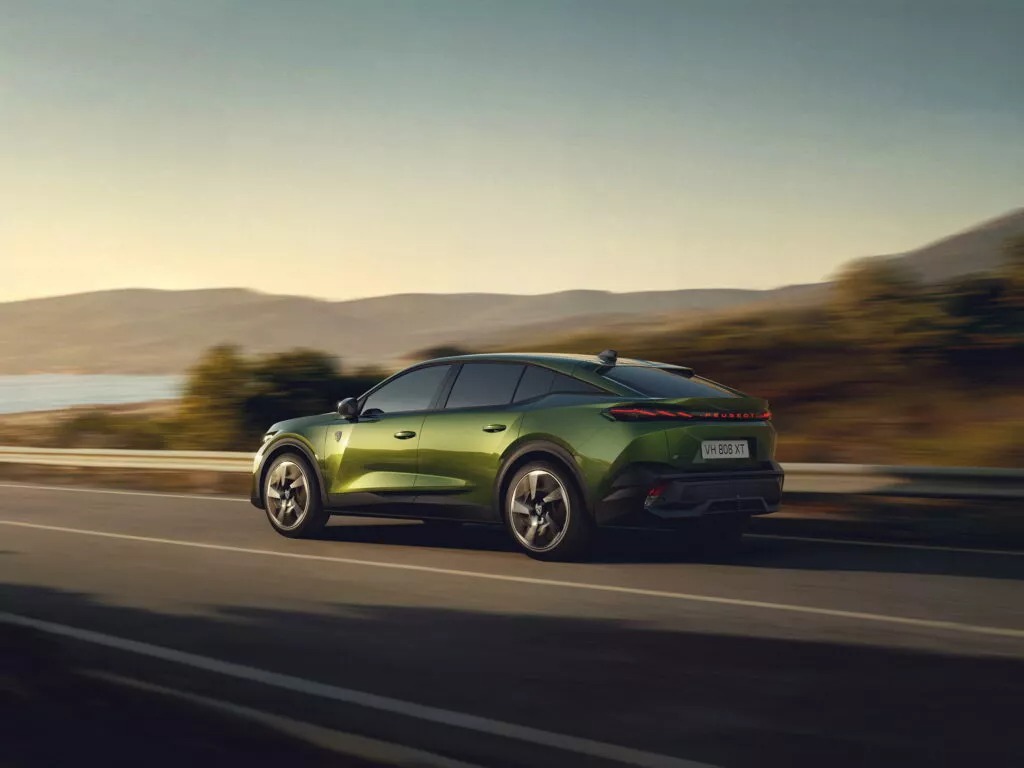
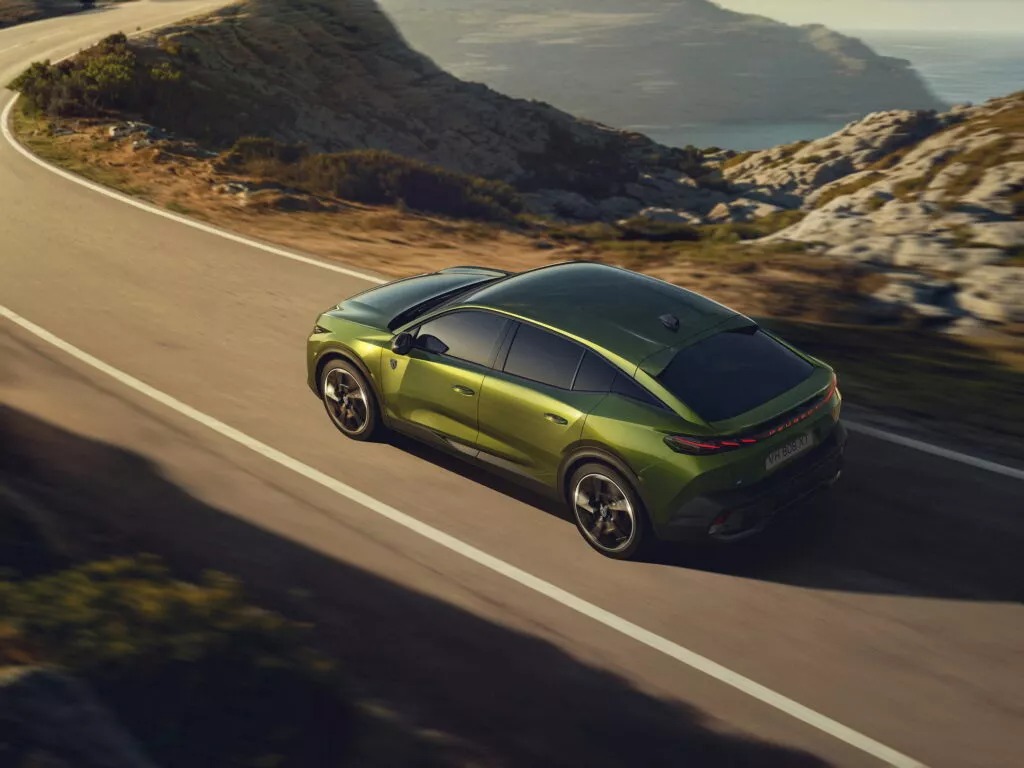
From the back, the car retained the general design, but the traditional logo was replaced with illuminated Peugeot writing in a step considered the first of its kind for the brand, with updated taillights and glossy black touches.

The car is available with new wheels measuring 17 to 20 inches, in addition to a new exclusive color called Flare Green, which changes from bright yellow in the sun to dark green in the shade.

Peugeot 408 from the inside
The cabin has not witnessed major changes, but it has received quiet improvements that include new materials and trim, along with a 10-inch digital instrument screen with improved graphics, and a 10-inch infotainment screen.

E-408 is the electric version of the Peugeot 408
The E-408 version continues to rely on a 58.2 kWh NMC battery with an electric motor with a power of 210 hp (343 Nm), and a range of up to 456 km according to the WLTP cycle.

The car supports Plug & Charge technology, and the Vehicle-to-Load function to provide power of up to 3.5 kilowatts for external devices, in addition to the option to set the charging limit at 80% during home charging with alternating current.
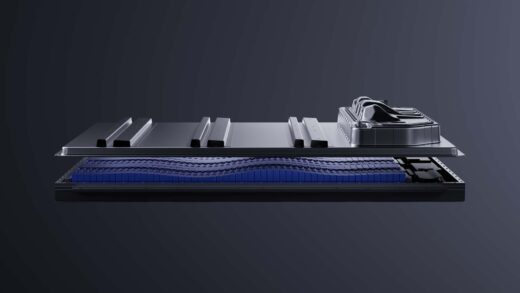
One of the most prominent features is the battery pre-conditioning system that can be activated manually in cold weather, while in the GT category it is activated automatically when heading to a charging station.

Preconditioning a battery means preparing it thermally before charging to improve efficiency and speed up the charging process, especially in cold weather.

Peugeot 408…hybrid versions
A conventional hybrid version is available with a 143-horsepower gasoline engine, with a 6-speed dual-clutch transmission, with a consumption rate of 5.0 l/100 km according to the WLTP cycle.
There is also a plug-in hybrid version with a 178 hp gasoline engine with a 123 hp electric motor and a 14.6 kWh battery, with a total power of 237 hp and an electric range of up to 85 km.
The Peugeot 408 updates seem cosmetic from the outside, but the real development lies in the electric version, which has become smarter and easier to use in daily life, and that is exactly what matters.